
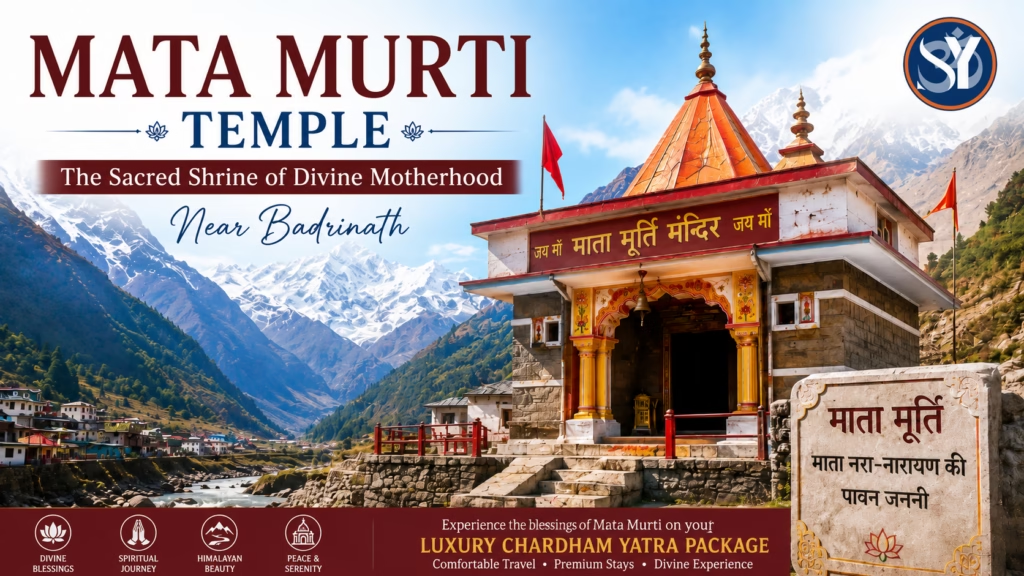
Mata Murti Temple Near Badrinath-The journey to Badrinath Dham is usually associated with the majestic temple of Lord Badri Vishal, the flowing Alaknanda River and the snow-covered peaks of the Garhwal Himalayas. Yet the sacred landscape around Badrinath contains several smaller shrines whose spiritual importance is much greater than their physical size. One such holy destination is Mata Murti Temple, a peaceful shrine dedicated to Mata Murti, traditionally revered as the mother of the divine sages Nara and Narayana.
Situated close to Badrinath, Mata Murti Temple offers pilgrims a quieter and more intimate experience than the busy main shrine. The temple stands in a spiritually charged Himalayan setting near the Alaknanda River, surrounded by mountains, fresh air and a deep sense of stillness. Official pilgrimage sources place the shrine approximately three kilometres from Badrinath Temple, making it a valuable addition to a carefully planned Chardham Yatra Package.
For travellers undertaking a Luxury Chardham Yatra Package, visiting Mata Murti Temple can bring greater depth to the Badrinath experience. Comfortable transportation and well-organised arrangements may make the journey physically easier, but sacred places such as Mata Murti Temple help pilgrims understand the stories, relationships and devotional traditions connected with Lord Badrinath.
The Spiritual Landscape of Badrinath
Badrinath is one of the four principal shrines of Uttarakhand’s Char Dham pilgrimage, together with Yamunotri, Gangotri and Kedarnath. The Badrinath Temple is dedicated to Lord Vishnu in the form of Badrinarayan and occupies a central position in the sacred geography of the Himalayas. Uttarakhand Tourism describes Badrinath as the home of the revered Badrinarayan Temple and an essential destination within the Char Dham circuit.
Many pilgrims complete darshan at the main temple and immediately continue their journey. However, the Badrinath region contains several associated sites that help travellers understand its wider spiritual identity. These include Tapt Kund, Brahma Kapal, Sheshnetra, Mana, Vyas Gufa, Ganesh Gufa, Bheem Pul and Mata Murti Temple.
Each of these places expresses a different aspect of Hindu faith. Badrinath Temple represents the worship of Lord Vishnu. Brahma Kapal is associated with remembrance of ancestors. Mana carries traditions linked with the Mahabharata. Mata Murti Temple celebrates divine motherhood, sacrifice and the sacred relationship between a mother and her spiritually accomplished children.
Including these nearby destinations in a Chardham Yatra Package turns a short temple visit into a richer spiritual exploration.
Where Is Mata Murti Temple Located?
Mata Murti Temple is located near Badrinath in the Chamoli district of Uttarakhand. The Shri Badarinath Kedarnath Temple Committee identifies it as a sacred Hindu temple situated around three kilometres from Badrinath. Incredible India describes the shrine as standing on the banks of the Alaknanda River amid the Garhwal Himalayas.
The temple’s location contributes greatly to its atmosphere. The surrounding mountains appear immense, while the sound of the river creates a natural background for prayer. Unlike crowded urban temples, Mata Murti Temple feels closely connected with the elements of nature.
The route is relatively short from Badrinath, but local road conditions, weather and accessibility may change during the pilgrimage season. Travellers should therefore confirm current conditions locally and avoid depending entirely on fixed travel-time estimates.
For families and senior citizens, a Luxury Chardham Yatra Package with suitable vehicle arrangements and sufficient time at Badrinath can make it easier to include the temple without rushing.
Who Is Mata Murti?
Mata Murti is traditionally worshipped as the mother of Nara and Narayana, two divine sages who occupy an important place in Hindu sacred tradition. Incredible India describes the temple as being dedicated to Mata Murti, the mother of the sages Nara and Narayana.
Nara and Narayana are associated with intense meditation, righteousness and spiritual discipline. They are also deeply connected with the sacred identity of Badrikashram, the ancient name associated with the Badrinath region.
Within devotional tradition, Narayana represents the Divine, while Nara represents the human seeker. Their relationship can be understood as the meeting of humanity and divinity, effort and grace, discipline and spiritual realisation.
Mata Murti, as their mother, represents the nurturing power behind this sacred mission. Her presence reminds pilgrims that even the greatest spiritual lives are connected with motherhood, care and sacrifice.
The temple therefore offers a different form of worship from the main Badrinath shrine. Here, devotees do not focus only on divine power or liberation. They also honour the mother whose love and blessings are believed to have supported the spiritual purpose of Nara and Narayana.
The Legend of Mata Murti
The traditional story of Mata Murti is connected with her deep devotion and her desire that Lord Vishnu should take birth as her sons. In response to her prayers, Vishnu is believed to have manifested in the dual forms of Nara and Narayana.
This account belongs to sacred mythology and devotional tradition rather than verifiable historical biography. Nevertheless, it carries a profound symbolic meaning for devotees.
The legend shows that sincere prayer is not always centred on personal comfort or material gain. Mata Murti’s devotion is remembered as a prayer connected with a larger spiritual purpose. Her sons were not expected to live ordinary lives of personal ambition. They were associated with meditation and the welfare of the world.
The story therefore presents motherhood as a form of spiritual service. A mother does not merely give birth to a child; she also shapes values, supports purpose and offers strength during difficulty.
Visitors travelling through a Chardham Yatra Package may find this teaching especially meaningful when undertaking the pilgrimage with parents, children or other family members.
Nara and Narayana: The Divine Sages of Badrikashram
Nara and Narayana are closely associated with the spiritual identity of Badrinath. In Hindu traditions, they are regarded as divine sages engaged in tapasya for the welfare of creation.
The geography of Badrinath itself reflects this association. The sacred town lies amid the Himalayan landscape traditionally linked with the Nar and Narayana mountain ranges. The atmosphere of the region—with high mountains, a powerful river and long winters—naturally evokes the austerity and discipline associated with ancient sages.
Nara and Narayana represent two complementary dimensions of spiritual life. Nara can be understood as the human being who makes sincere effort, while Narayana represents divine consciousness and grace.
This symbolism carries an important lesson. Spiritual progress is not achieved by human effort alone, nor by waiting passively for divine intervention. It emerges through a relationship between discipline and surrender.
Mata Murti stands at the beginning of this sacred relationship as the mother who nurtures both forms.
A visit to her temple therefore helps pilgrims see Badrinath not only as the abode of Lord Vishnu but also as the landscape of meditation, motherhood and spiritual preparation.
The Meaning of Divine Motherhood
The spiritual importance of Mata Murti Temple goes far beyond one mythological narrative. The shrine honours the universal role of motherhood.
In Hindu philosophy and devotional life, the mother is often regarded as the first teacher. Before a child understands scripture, ritual or formal education, the child learns trust, language, compassion and discipline through the family.
Mata Murti represents this nurturing force at a divine level.
Her story reminds pilgrims that spiritual greatness often grows quietly. Behind visible achievement may stand years of sacrifice, encouragement and unconditional support. A saint, teacher or leader may become known to the world, but the influence of the mother who shaped that life may remain less visible.
The temple restores attention to that unseen contribution.
For many pilgrims, the visit becomes an occasion to remember their own mothers. Some offer prayers for their mother’s health and well-being. Others remember a mother who has passed away. Parents may pray for the character and spiritual progress of their children.
In this way, Mata Murti Temple connects mythology with deeply personal human emotion.
Mata Murti Temple and the Alaknanda River
The location of the temple near the Alaknanda River adds to its spiritual beauty. Incredible India places the shrine beside the river in the sacred town of Badrinath.
Rivers hold a special place in Hindu sacred traditions. They represent movement, purity, continuity and life. A river gives without demanding recognition, nourishes settlements and continues its journey despite obstacles.
These qualities are also associated with motherhood.
A mother’s influence flows through generations in ways that may not always be visible. Values taught to one child can shape a family and sometimes an entire community. The river beside Mata Murti Temple therefore creates a natural symbol of maternal love—constant, life-giving and selfless.
Pilgrims should treat the Alaknanda and its surroundings with great respect. Plastic, food packaging and other waste should never be left near the river or temple premises. Protecting the sacred environment is itself a form of devotion.
The Mata Murti Festival
One of the most important traditions associated with the shrine is the annual Mata Murti festival. The Shri Badarinath Kedarnath Temple Committee states that the festival is observed on Vaman Dwadashi. According to the official description, Lord Narayan ceremonially visits Mata Murti, the Rawal or head priest of Badrinath performs worship and residents of Mana organise prayers, havan and bhog.
This annual celebration expresses the emotional relationship between a mother and her son. Even though Lord Narayan is worshipped as the Supreme Divine, the festival presents him in the tender role of a son visiting his mother.
That image gives the celebration a special warmth.
Religion is sometimes understood only through grand ideas of power, salvation and cosmic order. The Mata Murti festival introduces another dimension: affection. It shows that the Divine can also be experienced through family relationships, respect and gratitude.
The gathering of priests, local residents and devotees further connects the temple with the living traditions of Badrinath and Mana. The festival is not merely a staged event for visitors. It is part of the continuing religious life of the region.
The BKTC’s current online puja page also lists Mata Murti Utsav among the special worship offerings connected with Badrinath. Puja availability and fees can change, so pilgrims should verify details directly through official channels before making plans.
Architecture and Atmosphere of the Temple
Mata Murti Temple is comparatively modest in scale. It does not possess the grand, colourful façade of Badrinath Temple, nor does it dominate the landscape.
Its simplicity is part of its appeal.
The shrine encourages visitors to focus on prayer rather than spectacle. The Himalayan surroundings, the flowing river and the quietness of the location create a contemplative environment.
A small temple can sometimes produce a more personal experience because devotees are less distracted by crowds and elaborate structures. The mind naturally slows down.
Visitors may sit quietly, offer prayers and reflect on the role of their parents, teachers and elders. The temple is especially suited to those seeking a calm spiritual moment after the busy darshan experience at Badrinath.
A thoughtfully organised Luxury Chardham Yatra Package should preserve enough free time for such experiences rather than turning every destination into a hurried photo stop.
Why Visit Mata Murti Temple During Badrinath Yatra?
The main reason to visit Mata Murti Temple is its spiritual connection with Lord Badrinath. The shrine helps pilgrims understand the sacred relationships surrounding the principal deity.
Badrinath Temple presents Lord Narayana as the object of devotion. Mata Murti Temple presents him in relation to his mother. This change of perspective makes the Divine feel both majestic and intimate.
The temple also offers a peaceful setting away from the central market and main pilgrimage crowds. Devotees can spend a few minutes in silence and absorb the natural beauty of the region.
A visit is especially meaningful for families. Parents may pray for their children, while children may express gratitude for their parents. Pilgrims travelling with elderly mothers often find the destination emotionally significant.
For travellers interested in culture, the shrine also offers insight into the traditions of Mana and the wider Badrinath region.
Adding Mata Murti Temple to a Chardham Yatra Package therefore combines devotion, mythology, family values and Himalayan scenery in one experience.
How Mata Murti Temple Enriches a Chardham Yatra Package
A standard pilgrimage itinerary often focuses on completing darshan at Yamunotri, Gangotri, Kedarnath and Badrinath. While this fulfils the basic route, it may not reveal the spiritual richness surrounding each shrine.
Mata Murti Temple adds depth to the Badrinath portion of the journey.
It introduces travellers to the story of Nara and Narayana. It highlights the importance of motherhood. It connects the Badrinath shrine with local festival traditions and offers a quieter space for reflection.
A well-designed Chardham Yatra Package should not simply transport pilgrims from one destination to another. It should help them understand why each place matters.
At Badrinath, this may involve spending time at Tapt Kund, visiting Brahma Kapal, exploring Mana and offering prayers at Mata Murti Temple.
When these places are experienced together, the pilgrimage becomes more complete.
Mata Murti Temple in a Luxury Chardham Yatra Package
A Luxury Chardham Yatra Package is sometimes understood only in terms of premium hotels or expensive vehicles. However, genuine luxury during a pilgrimage should mean comfort, thoughtful pacing and freedom from avoidable stress.
The Himalayan journey can be physically demanding. Long drives, changing weather, high altitude and crowded routes may affect travellers, particularly senior citizens and families with young children.
A carefully planned luxury itinerary can provide comfortable transportation, suitable hotels, planned meal stops, assistance and adequate rest. These arrangements allow pilgrims to preserve their energy for prayer and darshan.
At Badrinath, an unhurried itinerary can make it possible to visit Mata Murti Temple without anxiety about immediate departure.
Luxury should never disturb the simplicity of a sacred place. Visitors should remain modest, respectful and mindful regardless of the level of travel comfort they have chosen.
The purpose of a Luxury Chardham Yatra Package is not to create distance from the spiritual experience. It should make that experience more accessible.
Best Time to Visit Mata Murti Temple
Access to Mata Murti Temple generally depends on the pilgrimage season of the Badrinath region. Badrinath is a high-altitude Himalayan destination, and the temple area remains affected by severe winter conditions.
The broader Char Dham pilgrimage is seasonal, and travellers should confirm official opening dates, weather alerts, road conditions and registration requirements before beginning the journey. Uttarakhand’s Tourist Care portal provides the official registration system for Char Dham and Hemkund Sahib pilgrims.
The early part of the season may offer cold weather and lingering snow in the surrounding mountains. The monsoon period can bring rain, landslide risks and road disruptions. The post-monsoon months often offer clearer views, but temperatures can become colder as the season progresses.
No month is completely free from uncertainty in the Himalayas. Travellers should keep warm clothing, rain protection and some flexibility in their schedule.
Those wishing to witness Mata Murti Utsav should confirm the festival date through official temple sources because Hindu festival dates vary according to the traditional calendar.
How to Reach Mata Murti Temple
Pilgrims first need to reach Badrinath, which is connected by road with major pilgrimage gateways such as Haridwar and Rishikesh through the mountain route.
Mata Murti Temple is then reached from the Badrinath area. Official sources place it at a distance of around three kilometres from the main shrine.
Local transport availability may vary according to the season, crowd levels and road regulations. Some travellers may cover part of the route on foot, while others may use locally available vehicles where permitted.
Senior citizens and people with mobility or health concerns should assess the route before proceeding. High-altitude travel can be tiring even when the distance appears short.
Guests travelling through a Luxury Chardham Yatra Package should tell their tour operator in advance that they wish to visit Mata Murti Temple. This helps ensure that sufficient time and appropriate local arrangements are included.
Important Travel and Health Considerations
Badrinath is situated in a high-altitude Himalayan environment. Even physically active travellers may experience fatigue, breathlessness, headache or discomfort.
Pilgrims should avoid excessive exertion immediately after arrival. Hydration, warm clothing and proper rest are important. People with heart, respiratory or other medical conditions should seek professional medical advice before undertaking the Char Dham journey.
Weather can change suddenly. A bright morning may be followed by rain, cold winds or cloud cover. Carrying layers is more practical than relying on one heavy garment.
Footwear should be comfortable and have a good grip. Temple pathways and nearby areas may become slippery during rain.
A reliable Chardham Yatra Package should provide realistic travel timings rather than overloading each day with too many stops.
Temple Etiquette
Visitors should enter Mata Murti Temple with clean and modest clothing. Loud conversation, pushing and disruptive behaviour should be avoided.
Photography rules may differ, particularly inside the sanctum. Pilgrims should follow instructions given by priests or temple authorities rather than assuming photography is permitted everywhere.
Offerings should be made respectfully and without creating waste. Visitors should avoid leaving plastic bags, bottles or packaging at the temple.
Silence is especially valuable at this shrine. Even a few quiet minutes can allow pilgrims to experience the atmosphere more deeply.
The local community and priests are custodians of the temple’s living tradition. Speaking respectfully to them is an essential part of responsible pilgrimage.
Places to Visit Along with Mata Murti Temple
Mata Murti Temple can be combined with several sacred and scenic destinations around Badrinath.
Badrinath Temple remains the principal place of worship. Tapt Kund is traditionally visited before darshan, while Brahma Kapal is associated with ancestral rites.
Mana is known for sites connected with Hindu sacred tradition, including Vyas Gufa, Ganesh Gufa, the Saraswati River and Bheem Pul. Travellers with more time and suitable fitness may also consider Vasudhara Falls, subject to local conditions.
Sheshnetra is another spiritually significant place in the Badrinath area and is associated in devotional tradition with Lord Vishnu and Sheshnag.
A balanced itinerary might include Badrinath darshan, Brahma Kapal and Mata Murti Temple on one part of the visit, followed by Mana and nearby attractions if time and weather permit.
Trying to cover every location too quickly can reduce the spiritual quality of the journey.
Lessons from Mata Murti Temple
The temple offers several timeless lessons.
The first is gratitude. Every person is supported by parents, elders, teachers and previous generations. Recognising that support reduces pride.
The second is selfless love. Mata Murti’s story is remembered not for personal ambition but for devotion connected with a greater purpose.
The third is respect for motherhood. A mother’s contribution is not limited to physical care. She shapes emotional strength, discipline and values.
The fourth is the importance of spiritual upbringing. Nara and Narayana are associated with meditation and righteousness, reminding families that education should include character as well as knowledge.
Finally, the temple teaches that the Divine can be approached through relationships. God is not only a distant cosmic power. In devotional tradition, the Divine is also experienced as a child, parent, friend and protector.
A Place for Family Prayer and Reflection
Mata Murti Temple is especially suitable for family prayer.
Parents can pray that their children grow with wisdom, compassion and strength. Children can express gratitude for the sacrifices made by their parents. Couples may pray for harmony in family life.
Travellers who have lost their mothers may experience the visit as a quiet moment of remembrance.
The journey can also encourage conversations between generations. Grandparents may share family traditions, while younger members gain a more personal understanding of pilgrimage.
A Luxury Chardham Yatra Package that brings families together in comfort can become far more meaningful when the journey includes such moments of emotional and spiritual connection.
Conclusion-Mata Murti Temple Near Badrinath
Mata Murti Temple is one of the most meaningful sacred places near Badrinath. Dedicated to the mother of Nara and Narayana, the shrine celebrates divine motherhood, devotion, sacrifice and the nurturing force behind spiritual greatness.
Located approximately three kilometres from Badrinath, the temple stands near the Alaknanda River in the majestic Garhwal Himalayas. Its peaceful setting offers a welcome contrast to the crowds around the main shrine.
The annual Mata Murti festival further expresses the temple’s emotional importance. On Vaman Dwadashi, tradition holds that Lord Narayan visits his mother, with worship conducted by the Rawal of Badrinath and celebrations organised with the participation of the Mana community.
Including the shrine in a Chardham Yatra Package allows pilgrims to understand Badrinath beyond the main temple. It reveals the sacred relationship between the Divine and the mother, between spiritual achievement and nurturing support, and between individual devotion and family values.
For families, senior citizens and seekers travelling through a Luxury Chardham Yatra Package, the temple can become one of the most peaceful and emotionally memorable parts of the pilgrimage.
The greatest lesson of Mata Murti Temple is simple yet profound: behind every noble life is a source of love, sacrifice and guidance. By honouring Mata Murti, pilgrims also honour mothers everywhere—the first teachers, silent protectors and enduring sources of strength in human life.


