
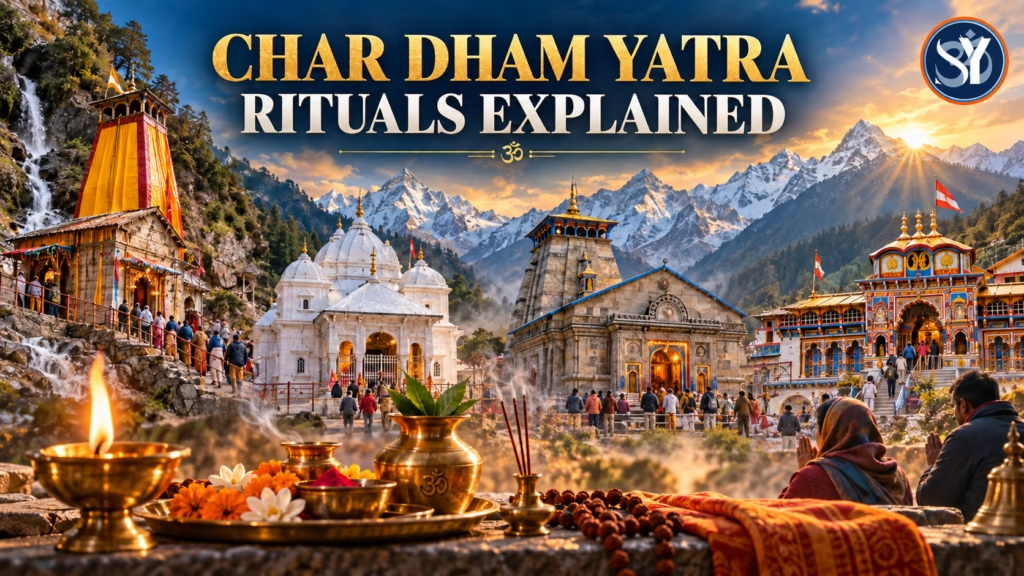
Char Dham Yatra Rituals Explained-The Char Dham Yatra is one of the most spiritually important pilgrimages in India. Located in the Garhwal Himalayas of Uttarakhand, the sacred circuit includes Yamunotri, Gangotri, Kedarnath and Badrinath.
Each Dham is associated with a particular divine presence. Yamunotri is dedicated to Goddess Yamuna, Gangotri to Goddess Ganga, Kedarnath to Lord Shiva and Badrinath to Lord Vishnu. Together, the four shrines represent purification, devotion, transformation and liberation.
The Yatra is not simply about reaching four temples and completing darshan. Its true meaning is expressed through prayers, sacred baths, offerings, aartis, ancestral rites, meditation and disciplined conduct. Every ritual encourages pilgrims to leave behind ego, negativity and attachment while moving towards spiritual awareness.
A thoughtfully organised Luxury Chardham Yatra Package can provide comfortable transportation, suitable accommodation and professional coordination. However, the spiritual value of the pilgrimage depends upon the devotion, humility and conduct of the traveller.
This guide explains the principal rituals associated with the Char Dham Yatra, their spiritual significance and the respectful way to participate in them.
Understanding the Purpose of Char Dham Rituals
A ritual is a symbolic action performed with spiritual intention. Lighting a lamp, offering water, chanting a mantra or walking around a temple may appear simple, but each act carries a deeper meaning.
Char Dham rituals generally help devotees:
- Purify the body and mind
- Express gratitude to the divine
- Honour ancestors
- Seek forgiveness for past mistakes
- Develop humility and patience
- Surrender personal worries
- Pray for family welfare
- Remember the temporary nature of life
- Strengthen devotion
- Move towards spiritual liberation
Rituals should not be treated as transactions in which an offering guarantees a particular result. Their deeper purpose is to transform the devotee’s state of mind.
Preparing Spiritually Before the Char Dham Yatra
The pilgrimage begins before the traveller reaches Uttarakhand. Traditionally, devotees prepare themselves mentally and spiritually in the days leading up to departure.
Preparation may include:
- Seeking blessings from parents and elders
- Praying at the family temple
- Setting a clear spiritual intention or sankalp
- Avoiding alcohol, smoking and non-vegetarian food
- Practising simple and truthful living
- Reading sacred texts
- Chanting the names of God
- Donating food or helping someone in need
- Asking forgiveness from people one may have hurt
Not every pilgrim follows the same routine. The essential principle is to begin the journey with sincerity and a peaceful mind.
Those booking a Luxury Chardham Yatra Package should prepare physically as well. The combination of altitude, cold weather, trekking and long road journeys requires medical awareness and reasonable fitness.
The Sankalp: Establishing the Intention
Sankalp means a sacred resolution or intention. Before beginning the Yatra, a devotee may mentally dedicate the pilgrimage to a spiritual purpose.
Some pilgrims undertake the journey to express gratitude. Others pray for family welfare, inner peace, healing or the memory of an ancestor.
A sankalp does not have to be elaborate. A pilgrim may simply pray:
“May this journey purify my thoughts and help me become more compassionate, truthful and devoted.”
The sankalp helps the traveller remember that Char Dham is a spiritual undertaking rather than an ordinary holiday.
Beginning the Journey from Haridwar or Rishikesh
Many pilgrims begin their Char Dham journey from Haridwar or Rishikesh. Taking a holy dip in the Ganga and attending the evening Ganga Aarti are common devotional practices before entering the mountains.
The flame of the aarti represents divine light, while the flowing river symbolises purification and continuous spiritual movement.
Pilgrims may offer flowers or lamps where permitted, but they should avoid materials that can pollute the river. Responsible worship is an important part of respecting the sacred environment.
The customary Char Dham route moves from west to east:
- Yamunotri
- Gangotri
- Kedarnath
- Badrinath
Uttarakhand Tourism also presents these four Himalayan shrines as the Char Dham pilgrimage circuit. Uttarakhand Tourism
Rituals at Yamunotri Dham
Yamunotri is traditionally the first destination of the Char Dham Yatra. The shrine is dedicated to Goddess Yamuna, who is regarded as the daughter of Surya, the Sun God, and the sister of Yama.
Devotees believe that worshipping Goddess Yamuna brings spiritual protection and freedom from the fear of death.
Bathing at the Sacred Kund
Pilgrims traditionally purify themselves before entering the temple. Depending on local conditions and official instructions, devotees may bathe or wash with water from the sacred thermal springs.
This act symbolises the cleansing of physical and mental impurities.
Visitors should exercise caution because the temperature of the water can be extremely high in some springs. They should follow local guidance and avoid unsafe bathing practices.
Cooking Prasad at Surya Kund
Surya Kund is a famous hot-water spring near Yamunotri Temple. Devotees traditionally place rice or potatoes in a cloth bundle and immerse it in the hot water.
The cooked food is offered to Goddess Yamuna and later carried home as prasad.
This ritual connects the shrine with Surya Dev and demonstrates how natural elements form part of Himalayan worship.
Pilgrims should use only permitted materials and follow instructions issued by temple authorities.
Worship of Divya Shila
Before entering the main Yamunotri Temple, devotees traditionally worship Divya Shila, a sacred stone situated close to Surya Kund.
They may offer prayers, flowers or respectful salutations. Worshipping Divya Shila before the goddess is considered an important part of the Yamunotri ritual sequence.
Darshan of Goddess Yamuna
After worshipping Divya Shila, pilgrims proceed towards the temple for the darshan of Goddess Yamuna.
A typical prayer may include:
- Offering flowers
- Bowing before the deity
- Chanting the name of Yamuna
- Praying for purity and protection
- Receiving prasad
The experience should be peaceful and respectful. Pilgrims should not push others or prolong their time before the deity when crowds are heavy.
A well-planned Luxury Chardham Yatra Package should allow enough time for the journey from Jankichatti, temple darshan and the return trek without forcing travellers to rush.
Rituals at Gangotri Dham
Gangotri Temple is dedicated to Goddess Ganga. The river flowing past the temple is known as Bhagirathi in its upper course and becomes Ganga after meeting the Alaknanda at Devprayag.
The shrine is connected with the legend of King Bhagiratha, who performed intense penance to bring the celestial Ganga to Earth for the liberation of his ancestors.
Taking a Holy Dip or Sprinkling Gangajal
Many pilgrims take a ritual dip in the Bhagirathi or sprinkle a small quantity of sacred water over themselves.
The ritual represents purification from negative thoughts and past actions.
The Himalayan river can be extremely cold and powerful. Pilgrims should not enter dangerous sections or ignore safety barriers. Elderly people and those with medical conditions may simply touch or sprinkle the water.
Spiritual intention is more important than taking an unsafe dip.
Collecting Gangajal
Devotees often collect Gangajal in a clean container and carry it home. The water may later be used during prayers, religious ceremonies or special family occasions.
Only a modest quantity should be collected. Plastic waste and discarded containers must never be left near the river.
Worship at Bhagirath Shila
Bhagirath Shila is traditionally regarded as the place where King Bhagiratha performed penance.
Pilgrims offer prayers at the sacred stone and remember the king’s determination and devotion. His story is also connected with ancestral responsibility, as he sought liberation for earlier generations of his family.
Pind Daan and Tarpan
Some pilgrims perform rituals for deceased family members at Gangotri. These may include tarpan, in which water is offered in memory of ancestors, or pind daan under the guidance of a qualified priest.
These rituals express gratitude towards one’s ancestral lineage and pray for the peace of departed souls.
Families should speak with an authorised or trusted priest and understand the procedure and charges before beginning any ritual.
Ganga Aarti
The evening aarti at Gangotri is a deeply devotional experience. Lamps are waved before Goddess Ganga while bells ring and prayers are chanted.
The ritual expresses gratitude to the river that nourishes millions of people and holds an extraordinary place in Indian civilisation.
A Luxury Chardham Yatra Package that includes an overnight stay at Gangotri or nearby can give pilgrims a better opportunity to experience the evening prayer without a hurried departure.
Rituals at Kedarnath Dham
Kedarnath is dedicated to Lord Shiva and is counted among the twelve Jyotirlingas. It is also the most prominent temple of the Panch Kedar tradition.
The shrine is associated with the Pandavas, who are believed to have sought Lord Shiva after the Mahabharata war to receive forgiveness and purification.
The deity at Kedarnath is worshipped in the form of an irregular conical stone, traditionally associated with the hump of Shiva’s bull form.
Purification Before Darshan
Pilgrims traditionally cleanse themselves before entering the shrine. In earlier times, bathing at sacred water sources formed a regular part of pilgrimage, but present conditions may limit or regulate such practices.
Visitors should follow official instructions and avoid bathing in unsafe locations, especially during cold weather.
Clean clothing, a calm mind and respectful conduct are more important than performing a physically risky act.
Offering Water and Bilva Leaves
Lord Shiva is commonly worshipped through the offering of water, flowers and bilva leaves.
Specific rules regarding physical contact with the deity or personal offerings may vary depending on crowd conditions and temple regulations. Pilgrims must follow the current instructions given by the priests and temple administration.
Abhishek
Abhishek is the ritual bathing of the Shiva form with sacred substances. Depending on the type of puja and temple rules, these may include water, milk, curd, honey or ghee.
The ritual represents purification, devotion and the surrender of the ego.
The official Badrinath-Kedarnath Temple Committee lists several attending pujas at Kedarnath, including Mahabhishek, Rudrabhishek, Laghurudrabhishek and Shodashopachar Puja. Badrinath-Kedarnath Temple Committee
Bookings, availability and participation rules can change, so pilgrims should verify details through the official portal.
Rudrabhishek
Rudrabhishek is one of the most respected forms of Shiva worship. Vedic mantras associated with Rudra are chanted while the deity is ceremonially bathed.
Devotees may perform this puja to seek spiritual purification, peace and divine blessings.
It should not be approached as a guaranteed solution to financial, medical or family problems. The ritual’s value lies in sincere prayer and surrender.
Circumambulation or Parikrama
Pilgrims may walk respectfully around the temple where access and temple rules permit.
Parikrama symbolises placing the divine at the centre of one’s life. The devotee moves around the sacred presence with humility and concentration.
The area behind the temple is also connected with the reconstructed samadhi of Adi Shankaracharya.
Evening Aarti at Kedarnath
The evening aarti at Kedarnath is especially powerful because of the temple’s dramatic Himalayan setting.
As bells and chants fill the valley, devotees gather before the ancient stone shrine. The experience combines worship, nature and silence in a memorable way.
The temple committee advises participants in booked evening aarti services to report before the scheduled time. Timings may vary by season and operational circumstances.
Travellers using a Luxury Chardham Yatra Package should understand that reaching Kedarnath may involve trekking, pony or palki services, or weather-dependent helicopter operations. The itinerary should include sufficient flexibility for puja and darshan.
Rituals at Badrinath Dham
Badrinath is the final shrine in the traditional Uttarakhand Char Dham sequence. The temple is dedicated to Lord Vishnu in the meditative form of Badri Narayan.
The shrine represents spiritual preservation, meditation and liberation.
Bathing at Tapt Kund
Before entering Badrinath Temple, devotees traditionally bathe in Tapt Kund, a natural hot-water spring near the temple.
The bath represents physical and spiritual purification before darshan.
The water may be very hot, and the area can become crowded. Pilgrims should follow local arrangements, maintain modesty and avoid staying in the water for too long.
Travellers with heart conditions, blood-pressure problems or other medical concerns should seek professional advice and exercise caution.
Darshan of Badri Narayan
The principal deity is a black stone image of Lord Vishnu seated in a meditative posture.
During darshan, pilgrims bow, offer prayers and seek the blessings of Badri Vishal. The sanctum also contains sacred figures associated with the Badrinath tradition.
The atmosphere encourages devotees to contemplate spiritual stability and the path towards liberation.
Mahabhishek and Abhishek Puja
Morning worship at Badrinath includes Mahabhishek and Abhishek ceremonies.
The official temple committee states that morning Abhishek worship is generally conducted from approximately 4:00 a.m. to 6:30 a.m., although schedules remain subject to temple decisions. Badrinath-Kedarnath Temple Committee
Pilgrims with confirmed bookings are generally expected to report before the allotted time with the required receipt and identification.
Ved Path and Geeta Path
Devotees may book the recitation of Vedic passages or verses from the Bhagavad Gita.
These recitations remind pilgrims that Badrinath is not only a place of deity worship but also a centre connected with meditation, philosophy and sacred knowledge.
The sounds of Sanskrit chanting contribute to the temple’s distinctive spiritual atmosphere.
Evening Aarti
Badrinath’s evening worship may include several aartis and devotional services. Lamps, chanting and music honour Lord Badri Narayan at the end of the day.
The temple committee indicates that evening aarti services are generally held during the evening, although exact timings depend upon the season, crowds and temple arrangements.
Shayan Aarti
Shayan Aarti is the final worship offered before the deity symbolically rests for the night.
Unlike some scheduled rituals, its timing may depend upon the completion of public darshan. It represents the loving relationship between the deity and the devotee, where God is served as a living divine presence.
Pind Daan at Brahma Kapal
Brahma Kapal is a sacred site near Badrinath where pilgrims perform rituals for their ancestors.
Families may offer pind daan and tarpan under the guidance of priests. These rites express remembrance, gratitude and prayers for ancestral peace.
Pilgrims should consult a reliable priest, confirm the required materials and agree upon charges clearly before the ceremony.
A premium Luxury Chardham Yatra Package may provide coordination support, but religious services should always be arranged through authorised or trusted sources.
Temple Opening and Closing Rituals
The Char Dham temples remain inaccessible during the severe Himalayan winter. Their annual opening and closing ceremonies are therefore among the pilgrimage’s most important traditions.
Opening of the Portals
The reopening of each temple is celebrated with:
- Vedic chanting
- Ceremonial decoration
- Processions
- Special pujas
- Arrival of priests and sacred symbols
- Large gatherings of devotees
The exact dates are determined according to individual temple traditions.
Closing Ceremonies
Before winter, special prayers are performed and preparations are made to continue worship at lower-altitude winter seats.
The ceremonial deities or representative sacred symbols are taken to their winter locations:
- Goddess Yamuna to Kharsali
- Goddess Ganga to Mukhba
- Lord Kedarnath to Omkareshwar Temple in Ukhimath
- Badrinath’s winter worship traditions to the Joshimath region
These traditions show that worship continues even when the high-altitude temples are closed.
Common Rituals Followed Throughout the Yatra
Although every Dham has its own customs, several practices are common across the entire pilgrimage.
Chanting
Devotees chant sacred names such as:
- Jai Maa Yamuna
- Jai Maa Gange
- Har Har Mahadev
- Jai Badri Vishal
Chanting helps maintain concentration and creates a shared atmosphere of devotion.
Offering Flowers
Fresh flowers may be offered where permitted. Pilgrims should avoid plastic packaging and materials that can harm the environment.
Lighting Lamps
A lamp symbolises the removal of ignorance and the awakening of divine knowledge.
Visitors should light lamps only in designated areas and follow fire-safety instructions.
Receiving Prasad
Prasad is accepted as a divine blessing. It should be received respectfully, consumed or shared, and never discarded carelessly.
Donation
Devotees may donate money, food or services. Donations should be made through official counters or verified channels.
Parikrama
Walking around a sacred temple represents keeping God at the centre of one’s life.
Meditation
Sitting quietly can be as meaningful as performing an elaborate ritual. The Himalayan environment naturally supports contemplation.
Understanding Gotra and Sankalp During Puja
For certain booked pujas, priests may ask for the devotee’s name, family details and gotra.
Gotra refers to an ancestral lineage used in several Hindu ritual traditions. If a pilgrim does not know their gotra, they should speak honestly with the priest rather than inventing one.
During the sankalp, the priest states the devotee’s identity, intention and purpose of worship. The devotee then mentally dedicates the ritual to the divine.
Temple Etiquette Every Pilgrim Should Follow
Rituals lose their meaning when devotees behave impatiently or disrespectfully.
Important rules include:
- Wear modest clothing.
- Remove footwear in designated areas.
- Follow the queue system.
- Do not push elderly pilgrims.
- Observe photography restrictions.
- Keep mobile phones silent.
- Do not touch sacred objects without permission.
- Avoid arguments with priests, officials or other visitors.
- Do not litter near temples or rivers.
- Never attempt to purchase unauthorised priority access.
A Luxury Chardham Yatra Package may provide better coordination, but it does not grant the right to ignore temple discipline.
Booking Special Pujas
Special pujas at Badrinath and Kedarnath may be available through the official temple committee’s booking system.
Before booking, verify:
- Name of the puja
- Date and reporting time
- Whether personal attendance is permitted
- Number of participants allowed
- Required identification
- Booking and cancellation rules
- Items included in the ritual
- Current temple regulations
The Badrinath-Kedarnath Temple Committee states that prior registration is required for its online puja, path, aarti and bhog bookings. BKTC Registration Portal
Avoid unauthorised individuals who promise guaranteed access or unofficial puja arrangements.
How a Luxury Chardham Yatra Package Supports the Spiritual Experience
A professionally arranged Luxury Chardham Yatra Package can help reduce logistical difficulties so travellers can concentrate on prayer and darshan.
Depending on the selected plan, it may include:
- Comfortable transportation
- Carefully selected hotels
- Experienced mountain drivers
- Meal arrangements
- Registration assistance
- Temple-visit coordination
- Kedarnath helicopter-booking guidance
- Information about puja timings
- Support during weather delays
- Special assistance for senior citizens
- Sufficient rest between travel days
Luxury in the Himalayas should be understood realistically. It does not mean controlling temple queues, weather or helicopter operations.
The true benefit is better preparation, clear communication and dependable assistance.
Frequently Asked Questions
Is it compulsory to perform special pujas at all four Dhams?
No. Sincere darshan and prayer are sufficient. Special pujas are optional and depend on personal beliefs and preferences.
Can pilgrims carry puja materials?
Basic offerings may be available near the temples. Carrying excessive materials is unnecessary, and some items may be restricted.
Is bathing compulsory before darshan?
Ritual bathing is traditional but should never be performed when unsafe. Elderly pilgrims or people with medical concerns may pray and purify themselves symbolically.
Can a priest perform puja on behalf of a devotee?
Some officially booked services may be performed using the devotee’s name and gotra even if personal attendance is not possible. Confirm the latest terms with the relevant temple authority.
What should pilgrims do if they do not know their gotra?
They should tell the priest honestly. The priest can advise them according to the applicable tradition.
Are puja timings fixed?
Timings can change because of the season, crowds, weather, temple ceremonies or administrative decisions. Always verify the latest schedule.
Can a Luxury Chardham Yatra Package guarantee special darshan?
No genuine operator should guarantee access that depends on temple authorities, government regulations or current conditions.
Final Thoughts-Char Dham Yatra Rituals Explained
The rituals of the Char Dham Yatra give spiritual meaning to every stage of the journey.
At Yamunotri, devotees honour Goddess Yamuna, worship Divya Shila and receive prasad prepared at Surya Kund. At Gangotri, pilgrims offer prayers to Goddess Ganga, collect Gangajal and remember their ancestors. At Kedarnath, they worship Lord Shiva through darshan, abhishek and sacred chanting. At Badrinath, they bathe at Tapt Kund, seek the blessings of Badri Narayan and participate in prayers connected with knowledge and liberation.
These rituals are not meant to create fear or competition. A pilgrim does not receive greater blessings simply by purchasing the most expensive puja or spending the longest time inside a temple.
The most important offerings are humility, patience, honesty and devotion.
A properly organised Luxury Chardham Yatra Package can make the physical journey more comfortable through quality accommodation, suitable transport and professional support. However, the inner pilgrimage must be completed by the devotee.
When performed with understanding and sincerity, every prayer, offering and sacred step becomes an opportunity to leave behind negativity and move closer to spiritual peace.
Important note: Puja schedules, booking procedures, temple-access rules and ritual arrangements may change. Travellers should verify the latest information through official temple committees and government authorities before departure.


