
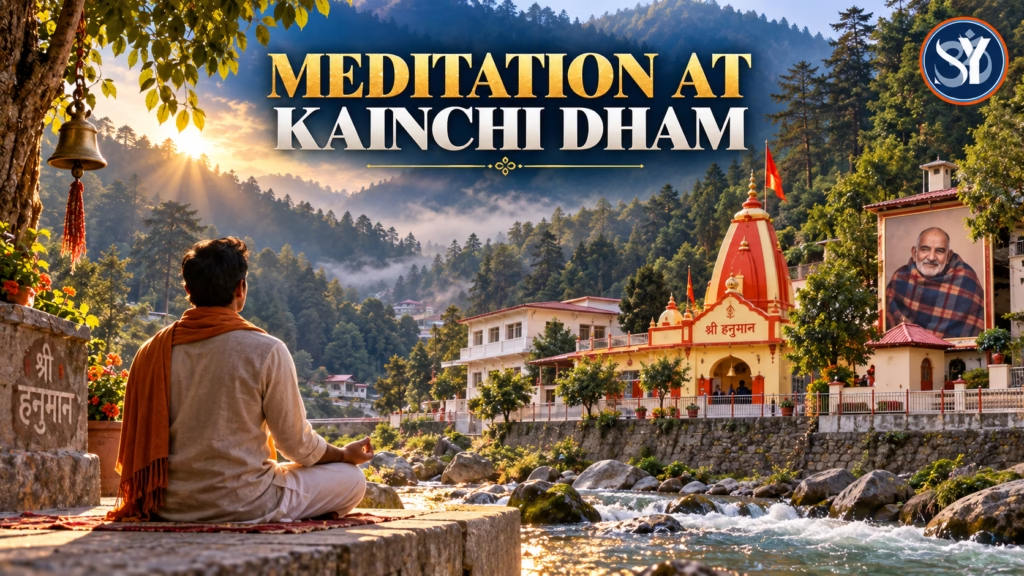
Meditation at Kainchi Dham-Hidden among the peaceful Kumaon hills of Uttarakhand, Kainchi Dham is much more than a popular pilgrimage destination. It is a spiritual sanctuary where the sound of temple bells, the movement of the mountain river and the silence of the surrounding forests create a natural environment for prayer and reflection.
The ashram is closely associated with Neem Karoli Baba, lovingly known to his devotees as Maharaj-ji. His teachings were beautifully simple: love everyone, serve everyone, feed people and remember God. Instead of promoting a complicated system of meditation, Maharaj-ji encouraged people to purify their hearts through devotion, selfless service and constant remembrance of the divine.
Meditation at Kainchi Dham should therefore not be understood only as sitting silently with closed eyes. It may include repeating God’s name, reciting the Hanuman Chalisa, observing the breath, listening to temple prayers, serving others or simply remaining quietly present.
Travellers choosing well-planned Kainchi Dham Yatra Packages can experience the ashram without worrying excessively about transport, accommodation and route planning. However, the depth of the spiritual experience depends upon the traveller’s attitude, patience and willingness to observe silence.
This detailed guide explores the meaning of meditation at Kainchi Dham, its connection with Neem Karoli Baba’s teachings, simple practices for beginners, visitor etiquette and practical travel preparation.

Understanding the Spiritual Atmosphere of Kainchi Dham
Kainchi Dham is situated on the Nainital–Almora road near Bhowali. Its name is associated with two sharp bends in the road that resemble a pair of scissors.
Neem Karoli Baba established the ashram during the 1960s, and the first temple was inaugurated in June 1964. Over time, it became an important centre of Hanuman devotion and a place where devotees gathered for prayer, aarti, seva and spiritual companionship.
The ashram’s location contributes greatly to its meditative character. It lies between forested hills, with a river flowing beside the temple complex. The combination of natural beauty and disciplined devotional activity encourages the mind to slow down.
However, Kainchi Dham is a functioning temple and ashram, not a commercial meditation resort. Visitors should not expect organised meditation classes, private retreats or unrestricted access to every part of the complex.
Any meditation must be practised quietly, respectfully and only in areas where visitors are permitted to sit.
Why People Come to Meditate at Kainchi Dham
Modern life continuously demands attention. Mobile phones, professional responsibilities, financial concerns and social expectations keep the mind occupied.
Many people visit Kainchi Dham because they want to step away from this mental noise. Some come with a specific prayer, while others are searching for direction, emotional healing or relief from anxiety.
Devotees may seek:
- Mental peace
- Freedom from constant overthinking
- Emotional strength
- Greater concentration
- Spiritual guidance
- Relief from fear
- A deeper connection with God
- Clarity about an important decision
- Inspiration to live more compassionately
- A break from digital distractions
Meditation does not guarantee that every problem will disappear. It can, however, help a person observe difficulties with greater steadiness and understanding.
A thoughtfully designed Kainchi Dham Yatra Package creates space for this inner work by reducing unnecessary travel stress.
Neem Karoli Baba’s Approach to Meditation
Neem Karoli Baba did not present spirituality as something available only to monks, scholars or advanced yogis. His teachings were practical and accessible to people living ordinary family and professional lives.
He encouraged devotees to remember God, love people and perform selfless service. For Maharaj-ji, a loving heart was more important than outward spiritual display.
This approach expands the meaning of meditation. A person may meditate by:
- Repeating the name of Rama
- Chanting the Hanuman Chalisa
- Serving food to others
- Listening deeply to someone in pain
- Performing everyday duties without ego
- Sitting silently in remembrance of God
- Observing thoughts without following them
- Offering worries mentally at the feet of the divine
Meditation at Kainchi Dham is therefore closely connected with bhakti, or devotion, and seva, or selfless service.
The Connection Between Meditation and Hanuman Bhakti
Lord Hanuman holds a central place at Kainchi Dham. Maharaj-ji was deeply devoted to Hanuman and inspired the establishment of several temples dedicated to him.
Hanuman represents strength, humility, concentration and complete surrender to Lord Rama. Although he possesses extraordinary abilities, he never uses them for personal recognition.
His mind remains focused on service. This quality of one-pointed devotion makes Hanuman an ideal symbol for meditation.
A distracted mind moves constantly between desires, fears and memories. Hanuman’s consciousness remains centred on Rama. Devotees try to develop similar concentration by chanting Rama’s name or reciting prayers dedicated to Hanuman.
Meditation connected with Hanuman bhakti can help cultivate:
- Courage during adversity
- Discipline in daily life
- Humility after success
- Control over impulsive reactions
- Loyalty towards one’s responsibilities
- Faith during uncertain situations
- Willingness to serve without expectation
Many Kainchi Dham Yatra Packages include temple darshan, but pilgrims should also reserve a few quiet moments to absorb these teachings.
Meditation Is More Than Closing the Eyes
People sometimes believe that meditation is successful only when the mind becomes completely empty. This expectation creates frustration.
The mind naturally produces thoughts. Meditation does not always mean stopping them. It can mean learning not to become controlled by every thought.
At Kainchi Dham, meditation may happen while:
- Sitting quietly near a permitted prayer area
- Listening to the sound of bells
- Observing the movement of the river
- Repeating a mantra mentally
- Standing peacefully in the darshan queue
- Receiving prasad with gratitude
- Watching one’s breath
- Helping another pilgrim
- Listening attentively during aarti
The external form may change, but the essential quality is awareness.
Preparing for Meditation Before Your Visit
The quality of meditation often depends upon preparation. A traveller who arrives exhausted, hurried and constantly checking their phone may find it difficult to experience stillness.
Before beginning a Kainchi Dham Yatra Package, consider a few simple practices.
Set a Clear Intention
Ask yourself why you are visiting. Your intention may be to seek peace, express gratitude, pray for someone or become more disciplined.
A clear intention gives direction to the journey.
Reduce Digital Distraction
Try to limit unnecessary screen time during the trip. Use your phone for essential communication, navigation and photographs only where permitted.
Practise Short Periods of Silence
Begin with five or ten minutes of silence at home. This will make it easier to settle your mind during the ashram visit.
Avoid Intoxicants
Avoid alcohol, smoking and other intoxicants before and during the pilgrimage. A clear body supports a calmer mind.
Eat Simple Food
Heavy or oily meals can create discomfort and dullness. Choose clean, light vegetarian food wherever possible.
Sleep Properly
Rest is important. A tired mind frequently becomes restless or irritable.
Simple Meditation Practices at Kainchi Dham
Visitors do not require advanced training to meditate. Simple practices are often the most effective.
1. Breath Awareness Meditation
Sit comfortably in a permitted area without blocking the path of other visitors.
Keep your back naturally upright and allow your body to relax. Close your eyes only if it is safe and appropriate.
Observe the natural breath without trying to control it. Notice the sensation of air entering and leaving the nostrils.
When thoughts arise, do not fight them. Gently return your attention to breathing.
Even five minutes of breath awareness can help the mind become quieter.
2. Rama Naam Japa
Neem Karoli Baba frequently encouraged the remembrance of God. Repeating “Ram” is a simple form of devotional meditation associated with the tradition.
Repeat the name slowly and mentally. Allow the sound to settle with the breath.
You may mentally repeat “Ra” while breathing in and “M” while breathing out. The objective is not mechanical repetition but loving remembrance.
3. Hanuman Mantra Meditation
Devotees may silently repeat a simple Hanuman mantra such as “Om Hanumate Namah.”
The mantra can help gather a distracted mind and awaken feelings of courage, humility and devotion.
Chant softly or mentally so that other visitors are not disturbed.
4. Hanuman Chalisa Meditation
Reciting the Hanuman Chalisa can itself become a meditation when done slowly and attentively.
Instead of rushing through the verses, focus on their devotional meaning. Reflect on Hanuman’s wisdom, strength, service and surrender.
Group recitation should only be undertaken with permission and in accordance with ashram rules.
5. Gratitude Meditation
Sit quietly and remember the people, opportunities and experiences for which you feel grateful.
Thank God for your family, health, food, shelter and the opportunity to visit Kainchi Dham.
Gratitude shifts attention away from scarcity and towards grace.
6. Loving-Kindness Meditation
Maharaj-ji’s message emphasised love for everyone.
Begin by mentally wishing peace for yourself. Then extend that wish to your family, friends, strangers and even people with whom you have disagreements.
You may repeat:
“May everyone be peaceful. May everyone be protected. May everyone experience love.”
This practice directly reflects the inclusive spirit associated with Neem Karoli Baba.
7. Silent Observation
You may simply observe the surrounding sounds without labelling them as pleasant or unpleasant.
Listen to bells, footsteps, birds, prayers and flowing water. Allow every sound to appear and disappear.
This practice develops present-moment awareness without requiring a formal technique.
The Role of Silence
Silence is one of the most powerful aspects of meditation.
External silence reduces distraction, while inner silence gradually weakens the constant need to judge, compare and react.
Kainchi Dham can become crowded, so visitors may not always experience complete physical silence. Yet inner stillness can be practised even in a queue.
Instead of complaining about waiting, observe the breath. Instead of judging other pilgrims, repeat a divine name. Instead of continuously taking photographs, look at the temple carefully and remain present.
Silence does not mean ignoring people or becoming unfriendly. It means reducing unnecessary speech and mental noise.
Aarti as a Form of Meditation
Aarti is a devotional ceremony in which lamps are offered to the deity while prayers and sacred songs are recited.
For a sincere participant, aarti can become a powerful form of meditation. The flame gathers visual attention, the chanting focuses the mind and the collective devotion creates a sense of spiritual unity.
Rather than watching aarti as a performance, devotees can participate inwardly by:
- Following the prayer attentively
- Repeating the divine name
- Watching the flame with awareness
- Expressing gratitude
- Surrendering worries
- Avoiding mobile-phone use
Current aarti schedules and visitor access may vary. Travellers should confirm timings locally rather than depending on outdated online information.
Seva as Active Meditation
Meditation is often imagined as inactivity, but Maharaj-ji’s teachings give great importance to seva.
Seva means performing useful work without demanding praise or reward. It is meditation through action.
Examples include:
- Helping an elderly pilgrim walk safely
- Offering food to someone in need
- Keeping the surroundings clean
- Waiting patiently in a queue
- Speaking respectfully with staff
- Sharing transport responsibly
- Avoiding waste
- Supporting local communities
- Caring for animals without disturbing them
When action is performed with attention and without ego, ordinary work becomes spiritual practice.
A Kainchi Dham Yatra Package may provide convenient services, but travellers should not allow comfort to create entitlement. Treating drivers, hotel employees, local residents and temple staff respectfully is itself a form of seva.
Meditation Near Nature
The natural surroundings of Kainchi Dham play an important role in its peaceful atmosphere.
The flowing river can remind pilgrims that thoughts and emotions are temporary. The mountains represent stability, while forests create a feeling of protection and stillness.
Nature-based meditation can be simple:
- Stand or sit in a safe and permitted place.
- Take a few relaxed breaths.
- Observe the trees, river or mountains.
- Avoid naming or analysing everything.
- Allow the mind to rest in direct experience.
Do not leave marked paths, enter dangerous river sections or disturb plants and wildlife in search of a private meditation location.
Respecting nature is part of respecting the sacredness of Kainchi Dham.
Managing Expectations About Spiritual Experiences
Some visitors arrive after hearing stories of miracles associated with Neem Karoli Baba. They may expect an immediate vision, unusual sensation or dramatic answer to their prayers.
This expectation can become an obstacle.
Meditation does not have to produce a supernatural experience. A few moments of calmness, gratitude or emotional release may be deeply meaningful.
Some people feel an immediate connection with Kainchi Dham, while others experience its influence gradually after returning home. Both responses are valid.
Do not compare your experience with stories shared by other devotees. Spiritual journeys are personal.
Can Meditation Help with Stress and Anxiety?
Meditation may support relaxation, attention and emotional balance. It can help people observe thoughts without reacting immediately.
However, it is not a replacement for professional medical or psychological care.
Anyone experiencing severe anxiety, depression, panic attacks, trauma symptoms or other mental-health concerns should consult a qualified professional. Prayer and meditation can complement appropriate treatment, but they should not be used to avoid necessary care.
A spiritual destination should never be presented as guaranteeing a cure.
Respectful Behaviour Inside the Ashram
Kainchi Dham is a sacred and disciplined environment. Visitors should behave accordingly.
Important guidelines include:
- Wear modest clothing.
- Keep mobile phones silent.
- Follow all photography restrictions.
- Maintain silence where requested.
- Do not block pathways while meditating.
- Avoid loud personal chanting.
- Do not touch sacred objects without permission.
- Follow queue and crowd-control instructions.
- Do not disturb resident devotees.
- Keep the premises clean.
- Accept prasad respectfully.
- Avoid commercial activity within the complex.
Visitors should not assume they may remain inside for unlimited periods. During busy days, the administration may regulate movement and the time available for darshan.
The ashram associated with Neem Karoli Baba describes its spiritual tradition as combining devotional practice with selfless service. Neem Karoli Baba Ashram
Best Time for a Peaceful Kainchi Dham Visit
The ideal time depends on weather preferences and expected crowd levels.
March to June
The weather is generally pleasant, but visitor numbers can be high. The annual foundation-day event on 15 June attracts exceptionally large crowds.
This period may not be ideal for someone seeking extended quiet meditation.
July to September
The monsoon creates beautiful greenery, but heavy rain may affect roads and increase landslide risks.
Travellers should monitor official advisories and avoid unnecessary travel during severe weather.
October to November
Autumn often offers cool weather, clear views and a relatively peaceful atmosphere. It can be suitable for travellers prioritising reflection.
December to February
Winter is quieter but cold. Morning fog, low temperatures and seasonal schedules may affect travel and access.
Before booking Kainchi Dham Yatra Packages, confirm current ashram opening hours, local road conditions and accommodation availability.
How Many Days Are Suitable for a Meditation-Focused Trip?
A rushed day trip allows darshan but may not provide enough time for reflection.
A two-night or three-night itinerary generally offers a better balance. Travellers can visit the ashram without immediately beginning a long return journey.
A possible meditation-focused itinerary may include:
Day 1: Arrival and Rest
Arrive near Bhowali, Bhimtal or Nainital. Rest after the journey and spend a few minutes setting your spiritual intention.
Day 2: Kainchi Dham Visit
Visit the ashram during permitted hours. Attend darshan, sit quietly where allowed and practise mantra or breath meditation.
Avoid overloading the day with sightseeing.
Day 3: Nearby Spiritual Places
Visit Hanuman Garhi, Golu Devta Temple, Naina Devi Temple or another nearby sacred location before departure.
Longer Kainchi Dham Yatra Packages may include Jageshwar Dham, Kasar Devi, Mukteshwar or Almora.
Places to Combine with a Meditation Journey
Hanuman Garhi
Located near Nainital, Hanuman Garhi is associated with Neem Karoli Baba and offers a devotional environment dedicated primarily to Lord Hanuman.
Kasar Devi
Kasar Devi is known for its peaceful Himalayan surroundings and historical association with spiritual seekers, writers and thinkers.
Jageshwar Dham
The ancient Shiva temples of Jageshwar stand within a beautiful deodar forest. The setting is ideal for quiet reflection and spiritual exploration.
Golu Devta Temple
This temple is associated with the Kumaoni deity of justice and is known for thousands of bells and written petitions.
Mukteshwar Temple
The historic Shiva temple at Mukteshwar combines mountain views with a calm spiritual setting.
A carefully planned route can connect these places without making the itinerary exhausting.
What to Carry for a Meditation-Focused Visit
Keep your luggage simple and practical.
Recommended items include:
- Modest and comfortable clothing
- A light shawl or jacket
- Comfortable walking shoes
- Personal medicines
- Reusable water bottle
- Small notebook or journal
- Prayer beads, if normally used
- Rain protection during the monsoon
- Sun protection
- Valid identification
- A small bag for personal waste
A large meditation mat may not be necessary or permitted inside crowded areas. Carry only what can be used without inconveniencing other visitors.
Choosing the Right Kainchi Dham Yatra Package
Before selecting a package, check:
- Pick-up and drop-off points
- Type of vehicle
- Hotel location and category
- Meal plan
- Number of nights
- Time allotted for Kainchi Dham
- Nearby sightseeing
- Driver allowance
- Toll and parking charges
- Cancellation terms
- Support during weather-related changes
The best Kainchi Dham Yatra Packages for meditation should avoid an excessively rushed schedule. Comfortable travel, adequate sleep and sufficient time near the ashram can make the spiritual experience more meaningful.
Meditation Practices After Returning Home
The purpose of visiting Kainchi Dham is not only to feel peaceful for a few hours. The deeper benefit comes from carrying the practice into daily life.
After returning home, try to maintain:
- Ten minutes of morning silence
- Regular mantra repetition
- Weekly Hanuman Chalisa recitation
- Conscious acts of service
- Gratitude before meals
- Limited mobile use during prayer
- Patient and truthful communication
- Occasional donation or food service
Consistency matters more than duration. Ten minutes of daily practice may be more beneficial than an occasional long meditation session.
Frequently Asked Questions
Is meditation allowed at Kainchi Dham?
Visitors may pray or sit quietly in permitted areas, subject to current ashram rules and crowd conditions. Do not block pathways or assume unrestricted access.
Does the ashram offer meditation courses?
Kainchi Dham should not be treated as a commercial meditation centre. Formal programmes and accommodation policies may be limited. Confirm current information directly through reliable sources.
Which meditation is best for beginners?
Breath awareness, Rama Naam japa and silent repetition of “Om Hanumate Namah” are simple options. Choose one practice rather than switching continuously.
Can I meditate during aarti?
Yes, attentive participation in aarti can itself become devotional meditation. Avoid recording the ceremony or becoming distracted by your phone.
How long should I meditate?
Begin with five to ten minutes. Gradually increase the duration if it feels natural. Meditation should not create physical strain.
Is Kainchi Dham suitable for solo travellers?
It can be, provided the traveller uses safe transport, chooses reliable accommodation and keeps family members informed. Organised Kainchi Dham Yatra Packages may simplify the journey.
Can meditation at Kainchi Dham cure illness?
Meditation may support relaxation and emotional well-being, but it cannot guarantee a cure. Seek professional medical care for physical or mental-health conditions.
Final Thoughts-Meditation at Kainchi Dham
Meditation at Kainchi Dham is not about escaping life. It is about learning to face life with greater calmness, devotion and compassion.
The ashram’s mountains, river, temples and prayerful atmosphere can help quiet the mind, but the deepest teaching comes from Neem Karoli Baba’s simple message: love people, serve them, feed them and remember God.
At Kainchi Dham, meditation may take the form of silent breathing, Rama Naam japa, Hanuman Chalisa, gratitude or selfless service. The method is less important than sincerity.
Well-organised Kainchi Dham Yatra Packages can provide comfortable transportation, suitable accommodation and a thoughtfully paced itinerary. Yet no package can create inner peace automatically. That experience requires openness, humility and patience.
When pilgrims return home with a quieter mind, a kinder heart and a stronger desire to serve others, their meditation has moved beyond the ashram and become part of daily life.
Meditation at Kainchi Dham
Important note: Ashram timings, meditation access, photography rules, accommodation policies and visitor arrangements can change. Confirm the latest information before travelling and follow all instructions displayed at Kainchi Dham.


