
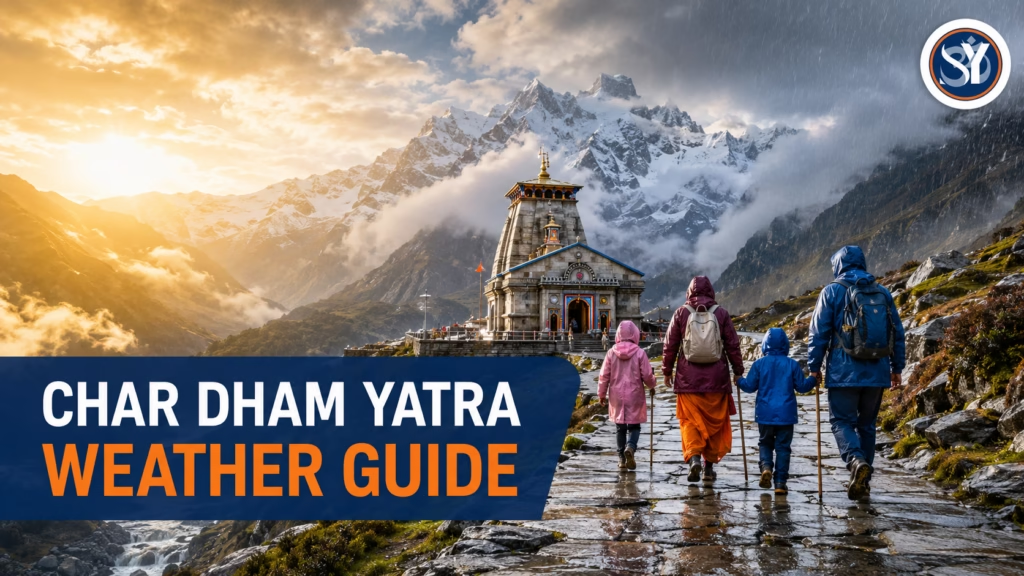
Char Dham Yatra Weather Guide-The Char Dham Yatra is a sacred Himalayan pilgrimage covering Yamunotri, Gangotri, Kedarnath, and Badrinath in Uttarakhand. Surrounded by snow-covered mountains, deep valleys, glaciers, rivers, and forests, these four holy shrines offer a deeply spiritual experience. However, the same Himalayan landscape that makes the journey spectacular also makes its weather unpredictable.
A bright and pleasant morning can quickly turn into a cold, rainy, or foggy afternoon. Temperature, rainfall, visibility, road conditions, and wind speed may differ considerably from one destination to another. Pilgrims must therefore understand the seasonal weather before selecting their travel dates.
Booking a carefully organized Luxury Chardham Yatra Package can make the journey more comfortable through better hotels, dependable transport, professional coordination, and assistance during weather-related disruptions. Nevertheless, every traveler must pack correctly, remain flexible, and prepare for changing mountain conditions.
This complete Char Dham Yatra weather guide explains the expected conditions during different months, the weather at each shrine, packing requirements, helicopter-related concerns, health precautions, and the best time to plan your pilgrimage.
Why Weather Is Important During the Char Dham Yatra
Weather influences almost every part of the pilgrimage, including:
- Road conditions and journey duration
- Trekking routes to Kedarnath and Yamunotri
- Helicopter operations
- Temple accessibility
- Visibility and sightseeing
- Hotel comfort
- Health and altitude adjustment
- Landslide and roadblock risks
- Required clothing and equipment
Unlike travel in the plains, Himalayan journeys cannot always follow a fixed timetable. Rainfall may slow traffic, fog can delay helicopter flights, and falling temperatures may make early-morning travel uncomfortable.
Even a premium journey must operate within the realities of the mountains. A luxury Chardham Yatra package can provide better support and contingency planning, but it cannot control the weather, aviation regulations, or official road restrictions.
Understanding the Char Dham Yatra Season
The Char Dham temples generally open during the warmer part of the year and close before the severe winter conditions begin. The exact opening and closing dates are announced by the relevant temple authorities and may vary each year.
The main travel season can broadly be divided into four weather periods:
- Pre-monsoon or early-season travel
- Peak summer travel
- Monsoon travel
- Post-monsoon or autumn travel
Each period offers different benefits and challenges. The best time depends on the pilgrim’s age, health, preferred comfort level, tolerance for crowds, and willingness to deal with possible weather disruption.
Char Dham Weather in April and Early May
The opening period of the pilgrimage season often carries a special spiritual atmosphere. The surrounding mountains may still display significant snow, while the weather in lower areas such as Haridwar and Rishikesh is comparatively warm.
Higher destinations, including Kedarnath and Badrinath, can remain freezing, particularly during the morning, evening, and night. Snow may still be visible near the shrines and along surrounding mountain slopes.
Typical conditions during this period
- Cold mornings and nights
- Cool or pleasant afternoons in lower areas
- Possibility of rain or occasional snowfall at higher elevations
- Snow-covered mountain views
- Sudden temperature changes
- Possible route or operational adjustments after winter
This period can be attractive for pilgrims who wish to travel close to the opening dates. However, it requires proper winter clothing and a flexible itinerary.
Travellers selecting an early-season Luxury Chardham Yatra Package should ensure that their hotels provide adequate blankets, hot water arrangements, and suitable heating options wherever available. They should also understand that heating facilities in remote Himalayan hotels may not be comparable to those in large cities.
Char Dham Weather in Late May and June
Late May and June are among the most popular periods for the Char Dham Yatra. Daytime weather is generally more manageable than during the opening weeks, although the nights remain cold near the higher shrines.
The roads are usually more accessible, but the popularity of this period can lead to heavy traffic, crowded hotels, long queues, and increased waiting times.
Typical conditions during this period
- Comfortable to warm weather in Haridwar and Rishikesh
- Pleasant days in many intermediate destinations
- Cold mornings and evenings near Kedarnath and Badrinath
- Strong sunlight at high altitude
- Occasional pre-monsoon rain or thunderstorms
- Large differences between daytime and nighttime temperatures
This period is often preferred by families and senior citizens, but travelers must not assume that “summer” means warm weather everywhere. A downpour or strong wind can lower the temperature quickly.
Carry layered clothing, a waterproof jacket, sun protection, and suitable walking shoes. A well-planned Luxury Chardham Yatra Package during this busy period can help secure better accommodation and experienced transport services, provided it is booked well in advance.
Char Dham Weather in July and August
July and August generally fall within the monsoon period in Uttarakhand. The mountains become exceptionally green, waterfalls become more powerful, and the landscape looks dramatic. However, rainfall can make travel considerably more challenging.
Heavy rain may result in landslides, falling stones, waterlogging, damaged road sections, traffic congestion, or temporary route closures. Trekking paths can become muddy and slippery.
Helicopter operations may also be affected by poor visibility, low clouds, rain, or unsuitable flying conditions.
Typical conditions during this period
- Frequent or heavy rainfall
- Cloudy skies and reduced visibility
- Humid conditions in lower elevations
- Cool and wet weather in higher areas
- Slippery trekking routes
- Greater possibility of road delays
- Increased landslide risk
- Uncertain helicopter schedules
Monsoon travel is not impossible, but it demands flexibility and careful decision-making. Travellers should follow government and local-authority advisories and never pressure a driver to continue through unsafe conditions.
If you book a Luxury Chardham Yatra Package during the monsoon, ask about buffer days, hotel-extension costs, route-change procedures, emergency support, and cancellation conditions. These details are more important than decorative luxury during a weather-sensitive journey.
Char Dham Weather in September
September can be an appealing period, especially after the intensity of the monsoon begins to reduce. The valleys remain green, the crowds may be more manageable, and the weather can offer clearer views.
However, the early part of September may still experience rainfall. Conditions can vary from year to year, so travellers should not assume that the monsoon has completely ended.
Typical conditions during this period
- Green landscapes and refreshed surroundings
- Periods of clear weather
- Possible residual rainfall
- Cool mornings and evenings
- Improved visibility after rainfall
- Fewer crowds compared with peak summer dates
- Increasingly cold conditions at higher elevations
September can be suitable for travellers seeking a balance between pleasant scenery and lower crowd levels. Waterproof clothing remains necessary, and warm layers become increasingly important as the month progresses.
Char Dham Weather in October and the Closing Period
October is known for clearer skies, crisp mountain views, and a peaceful atmosphere. The monsoon has generally withdrawn, although isolated weather changes can still occur.
Temperatures begin to fall significantly, especially near Kedarnath and Badrinath. Early mornings, evenings, and nights may be bitterly cold. As the closing period approaches, snowfall becomes more likely in the highest areas.
Typical conditions during this period
- Clearer skies and excellent mountain visibility
- Dry and comfortable daytime conditions
- Cold mornings and nights
- Increasing possibility of frost or snowfall
- Shorter daylight hours
- Lower temperatures near the shrines
- Relatively peaceful travel experience
October is often favored by pilgrims who prefer fewer crowds and do not mind cold weather. Senior citizens, children, and people with respiratory or heart-related concerns should take additional precautions.
An autumn luxury Chardham Yatra package should include an itinerary that allows early arrival at each destination. Driving late in the evening should be minimized because mountain temperatures drop rapidly and visibility can decline after sunset.
Weather at Yamunotri
Yamunotri Temple is situated in a high-altitude Himalayan region and is approached through a trek from Jankichatti. Weather conditions can change during the walking journey.
What travelers should expect
- Cold mornings and evenings
- Strong sunlight during clear afternoons
- Rain showers during the monsoon
- Slippery sections after rainfall
- Rapid temperature reduction when clouds appear
- Possibility of snow during the early and late season
The trail requires proper walking shoes with a strong grip. Travelers should carry a lightweight raincoat or poncho rather than depending only on an umbrella.
Pilgrims using pony, palki, or Kandi services should still dress for changing weather because waiting time and exposed mountain sections can be cold or wet.
Weather at Gangotri
Gangotri is connected by road, but its high elevation creates cool to cold conditions throughout most of the pilgrimage season.
Clear days can feel pleasant in direct sunlight, while shaded areas and evenings remain cold. Winds near the temple and the Bhagirathi River may make the temperature feel lower.
What travellers should expect
- Cold mornings and evenings
- Cool or pleasant daytime weather during summer
- Strong ultraviolet exposure at altitude
- Rain during the monsoon
- Possibility of snowfall near the beginning or end of the season
Carry sunglasses, sunscreen, a cap, and warm layers. Do not underestimate the sun simply because the air feels cold.
Weather at Kedarnath
Kedarnath is generally the most weather-sensitive destination in the Char Dham circuit. Its high altitude, surrounding mountains, and open terrain create cold and rapidly changing conditions.
The temperature can decline sharply after sunset. Rain, fog, wind, and occasional snowfall may occur depending on the month. The long trekking route also increases exposure to the elements.
What travelers should expect
- Freezing mornings and nights
- Sudden rain or snowfall
- Strong winds
- Fog and reduced visibility
- Wet or slippery trekking surfaces
- Significant differences between sunlight and shaded conditions
- Rapid weather deterioration
Travelers should not begin the trek without warm clothing, rain protection, adequate hydration, and a realistic understanding of their physical fitness.
Those using helicopter services must remember that flights are weather-dependent. A confirmed ticket does not guarantee departure at the stated time. Weather conditions at the departure point, the Kedarnath helipad, or along the flying route can cause delays or cancellations.
A luxury Chardham Yatra package by helicopter should clearly explain reporting procedures, baggage and weight conditions, refund rules, possible waiting periods, and the alternative plan if the flight does not operate.
Weather at Badrinath
Badrinath is accessible by road and is surrounded by high Himalayan peaks. Days may be pleasant during summer, but mornings, evenings, and nights remain cold.
Rain is common during the monsoon, while snowfall may occur near the opening or closing period. The area can also experience strong winds and sudden cloud cover.
What travelers should expect
- Cold mornings and nights
- Pleasant sunlight during clear summer days
- Rain and fog during the monsoon
- Possibility of snow in colder periods
- Sudden wind and temperature changes
Travelers should wear layers rather than one heavy garment. Layers make it easier to adapt when moving between a warm vehicle, cold outdoor areas, and heated or unheated hotel rooms.
Temperature Differences Along the Route
One of the biggest weather-related mistakes is packing for only one climate. A pilgrim may experience warm conditions in Haridwar, mild weather in Uttarkashi, rain near Guptkashi, and intense cold at Kedarnath during the same journey.
The perceived temperature also depends on:
- Wind speed
- Rainfall
- Cloud cover
- Direct sunlight
- Time of day
- Elevation
- Physical activity
- Personal health and age
For this reason, general temperature figures should be treated only as guidance. Travellers should check reliable forecasts shortly before departure and monitor official updates during the journey.
What to Pack for Changing Char Dham Weather
A weather-ready packing list should include:
Clothing
- Thermal innerwear
- Full-sleeved shirts or T-shirts
- Fleece jacket or warm sweater
- Insulated outer jacket
- Waterproof raincoat or poncho
- Comfortable trekking trousers
- Woolen cap
- Gloves
- Warm socks
- Extra dry clothing
Footwear
- Comfortable walking or trekking shoes
- Good-quality grip
- Spare socks
- Lightweight slippers for hotel use
- Waterproof shoe cover, if preferred
Protection and essentials
- Sunscreen
- UV-protection sunglasses
- Sun cap
- Reusable water bottle
- Small backpack
- Personal medicines
- Basic first-aid supplies
- Power bank
- Torch
- Waterproof document pouch
- Plastic-free or reusable bags for wet clothing
Do not pack excessive luggage. Large suitcases can be inconvenient in small hotels, local transfers, and helicopter journeys.
Health Precautions During Changing Weather
Cold, altitude, physical exertion, and reduced oxygen can affect travelers differently. Senior citizens and people with asthma, high blood pressure, diabetes, heart conditions, or respiratory issues should consult their doctor before travelling.
Important precautions include:
- Drink water regularly
- Avoid alcohol and smoking
- Eat light, freshly prepared meals
- Do not rush at high altitude
- Take sufficient rest
- Keep the head, ears, and chest protected from cold winds
- Carry prescribed medicines
- Report unusual symptoms immediately
Severe headache, persistent breathlessness, chest discomfort, confusion, repeated vomiting, loss of balance, or extreme weakness should not be ignored. Seek medical attention without delay.
A comfortable luxury Chardham Yatra package may reduce travel fatigue, but medical fitness remains the personal responsibility of every pilgrim.
How Weather Affects Helicopter Travel
Helicopter services are particularly sensitive to visibility, cloud cover, wind, rain, and operational clearance. Flights may be delayed even when the weather looks reasonably clear to passengers on the ground.
Never book an immediate onward flight or train assuming that the helicopter will operate exactly on schedule. Keep buffer time in the itinerary.
Before booking, understand:
- Weather-related cancellation rules
- Refund processing procedures
- Rescheduling conditions
- Passenger reporting time
- Baggage limits
- Weight-related restrictions
- Ground-transfer arrangements
- Alternative trekking or accommodation plans
Be cautious of agents who claim to guarantee helicopter operations irrespective of weather.
How to Plan for Weather-Related Delays
Even the best itinerary should include flexibility. Pilgrims can reduce stress by following a few practical measures:
- Keep at least one buffer day after the pilgrimage.
- Avoid booking a tightly timed return connection.
- Carry additional essential medicines.
- Keep a contingency budget for extended stays.
- Save hotel, driver, operator, and emergency contacts.
- Follow official road and weather advisories.
- Avoid traveling at night whenever possible.
- Accept route changes when recommended for safety.
- Read cancellation and force-majeure terms before booking.
- Keep family members informed about the itinerary.
A professional luxury Chardham Yatra package should offer clear communication and reasonable operational assistance during disruptions. However, additional costs arising from weather delays may depend on the package terms, so these conditions must be understood in advance.
Best Time to Book a Luxury Chardham Yatra Package
For many travelers, late May to June and the post-monsoon period from September to October can provide suitable travel opportunities. However, there is no universally perfect month.
Consider the following:
- Choose late spring or early summer for comparatively manageable temperatures.
- Choose September for green landscapes and potentially lower crowds.
- Choose October for clearer views and a peaceful experience, provided you can tolerate cold weather.
- Approach monsoon travel with additional caution and flexibility.
- Choose dates near the opening or closing period only if you are prepared for significantly colder conditions.
Families with senior citizens should prioritize weather stability, sensible travel duration, comfortable accommodation, and adequate rest rather than choosing dates only because of price.
Benefits of Choosing a Luxury Chardham Yatra Package
A thoughtfully designed Luxury Chardham Yatra Package may provide:
- Comfortable private transportation
- Experienced mountain drivers
- Carefully selected hotels
- Convenient meal arrangements
- Practical route planning
- Helicopter-booking guidance
- Registration assistance
- Support during weather disruptions
- Local coordination
- Special arrangements for families and senior citizens
- Pre-departure packing and travel guidance
Luxury in the Himalayas does not mean controlling nature. It means reducing avoidable discomfort, improving coordination, and receiving dependable assistance when conditions change.
Frequently Asked Questions
Which month has the most comfortable Char Dham weather?
Late May, June, September, and parts of October are commonly considered suitable. The ideal period depends on rainfall, cold tolerance, crowd preference, and personal health.
Is the Char Dham Yatra safe during the monsoon?
Travel may continue during parts of the monsoon, but heavy rain can increase the risk of landslides, slippery paths, roadblocks, and delays. Travelers must follow official advisories and avoid unnecessary movement during unsafe conditions.
Does Kedarnath remain cold in summer?
Yes. Kedarnath can remain cold during summer, especially in the morning, evening, and night. Rain or strong winds can make it feel considerably colder.
Can helicopter flights be cancelled because of weather?
Yes. Flights may be delayed, rescheduled, or cancelled because of rain, fog, wind, poor visibility, operational limitations, or aviation instructions.
Is October a good time for Char Dham Yatra?
October can offer clear skies, fewer crowds, and beautiful views, but temperatures are considerably colder. Proper winter clothing is essential.
Is a raincoat necessary?
Yes. A lightweight raincoat or poncho should be carried regardless of the month because Himalayan weather can change unexpectedly.
Final Thoughts-Char Dham Yatra Weather Guide
Weather is one of the most important factors in planning the Char Dham Yatra. Pilgrims may experience heat in the plains, pleasant weather in the valleys, rain on mountain roads, and intense cold near the shrines—all within the same journey.
The key to a comfortable pilgrimage is preparation. Choose suitable travel dates, carry layered clothing, monitor official advisories, maintain medical readiness, and keep flexibility in the itinerary. Never ignore weather warnings or pressure drivers and tour coordinators to continue through unsafe conditions.
A professionally organized Luxury Chardham Yatra Package can offer quality accommodation, comfortable transportation, experienced coordination, and valuable support during weather-related changes. With the right planning and realistic expectations, you can focus on the spiritual significance of Yamunotri, Gangotri, Kedarnath, and Badrinath while traveling with greater confidence and peace of mind.
Important note: Weather, temple schedules, road conditions, registration requirements, and helicopter operations may change without prior notice. Always verify the latest updates through official Uttarakhand authorities, temple committees, authorized aviation operators, and your trusted travel organizer before departure.


